
Our Blog
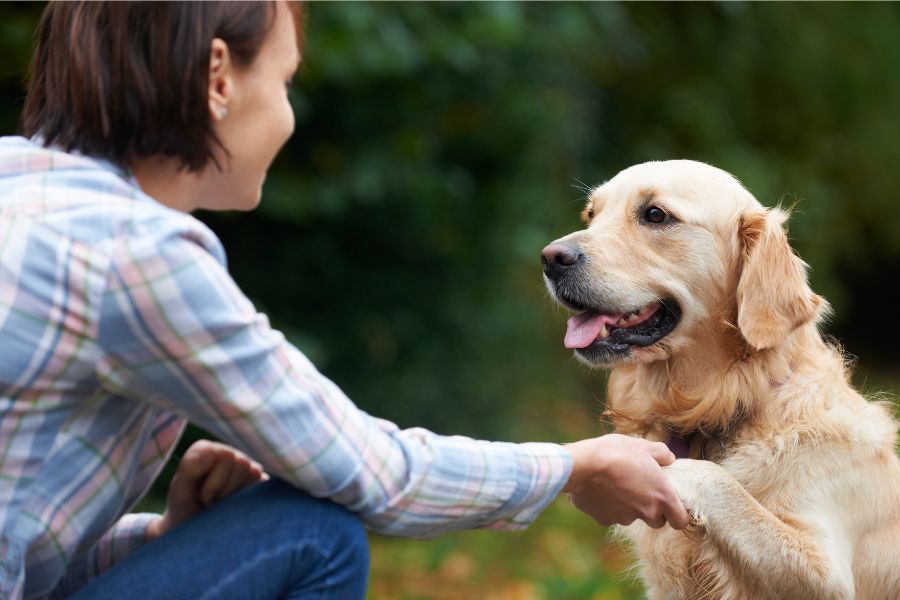
Looking for a Rover Alternative in Encinitas, CA? Here’s What to Know 🐾
If you’re searching for a Rover alternative in Encinitas, CA, you’re not alone. More and more pet parents are turning to trusted local pet sitting companies for a higher level of care,...
National Therapy Animal Day
Celebrating National Therapy Animal Day 🐾 National Therapy Animal Day is a day dedicated to recognizing the incredible impact therapy animals have on the lives of so many. From providing comfort and companionship to reducing stress and loneliness, therapy...

Pet-Safe Foods to Keep in Mind This St. Patrick’s Day
St. Patrick’s Day is a day full of good food with family and friends, but it’s important to remember, while we’re celebrating with corned beef, cabbage, and soda bread, that not all holiday favorites are safe for our pets. Here’s a helpful guide to what’s pet-safe (in...
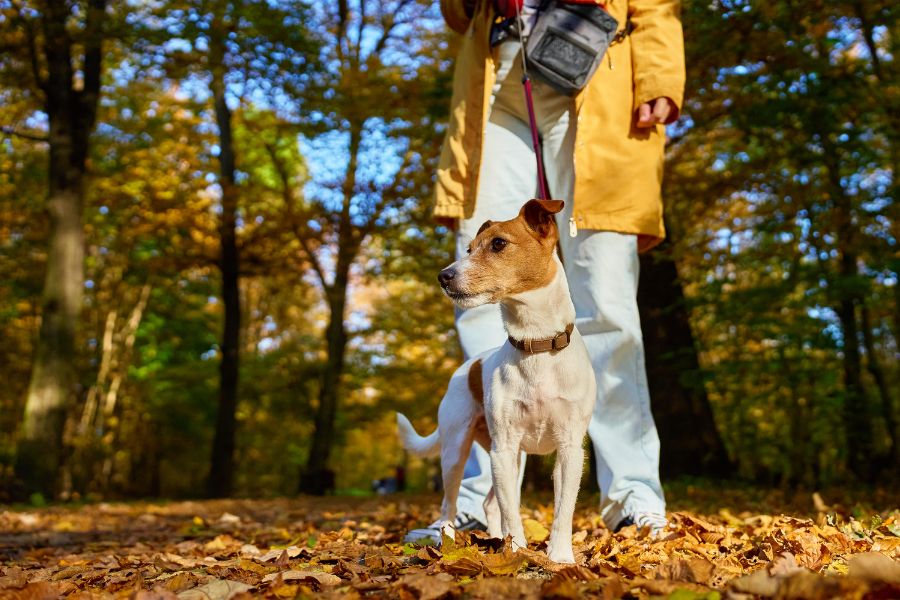
Our Top 5 Dog Walking Tools
At Claws and Paws, we put your pets first. Every walk, drop-in visit, and pet sitting stay is built around one goal: keeping your pet safe, happy, and comfortable. Over the years, we’ve refined the tools we rely on daily, and have come up with our top five necessities...
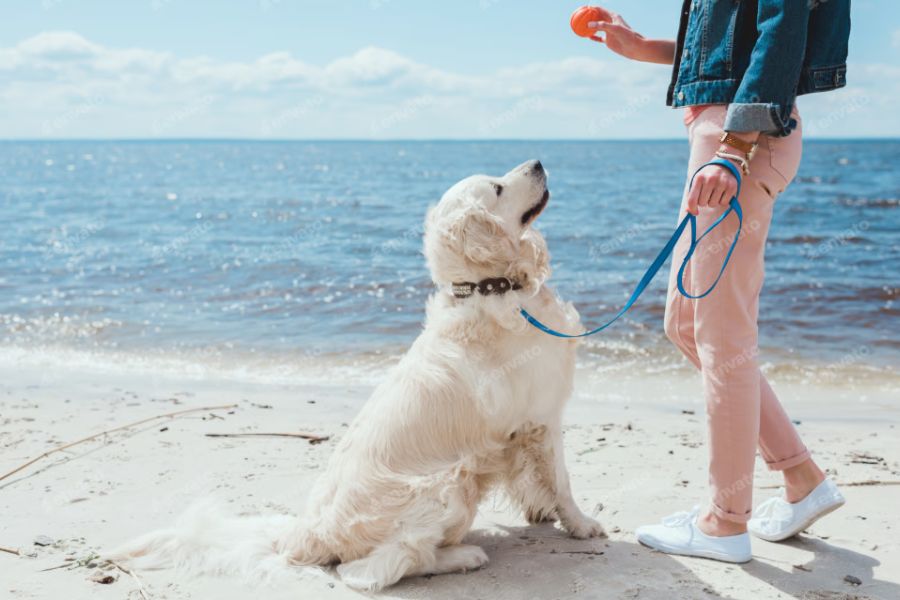
North San Diego Dog Owners: How Walks Help Training and Behavior
As a pet sitter who has worked with hundreds of dogs across North San Diego, from Encinitas to Rancho Santa Fe, I see every day how consistent walks and structured outings can make a huge difference in a dog’s behavior and training success. If your goal this new year...

Winter Fun Indoors: Creative Ways to Keep Your Pets Active and Happy with Enrichment
Why Indoor Enrichment Matters in Winter Winter evenings in North San Diego are cozy, but with the sun setting as early as 4:30, keeping your pets active and engaged can be a challenge. At Claws and Paws Pet Sitting, we know pets thrive on both physical activity and...